
Glass Bottles for Non-Alcoholic Beer: A Specification and Compliance Guide for UK Independent Producers

The right glass bottle for non-alcoholic beer depends on four things: carbonation level, pasteurisation method, the light sensitivity of the recipe, and how the product is labelled under UK Alcohol Duty rules.
What EPR, PRN, and PPT Actually Cost Your Glass Packaging in 2026
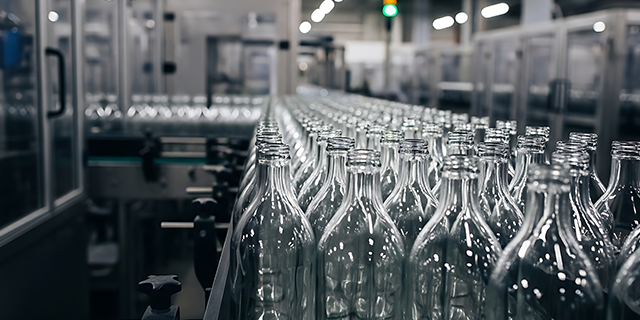
Three separate sets of rules now add a measurable cost to every glass bottle and jar you place on the UK market: One applies to your plastic closures and secondary packaging. The second one charges you a per-tonne disposal fee on the glass itself. And the third requires you to fund the recycling of what […]
How the UK-EU Trade Landscape Is Affecting Glass Packaging Costs and Lead Times in 2026
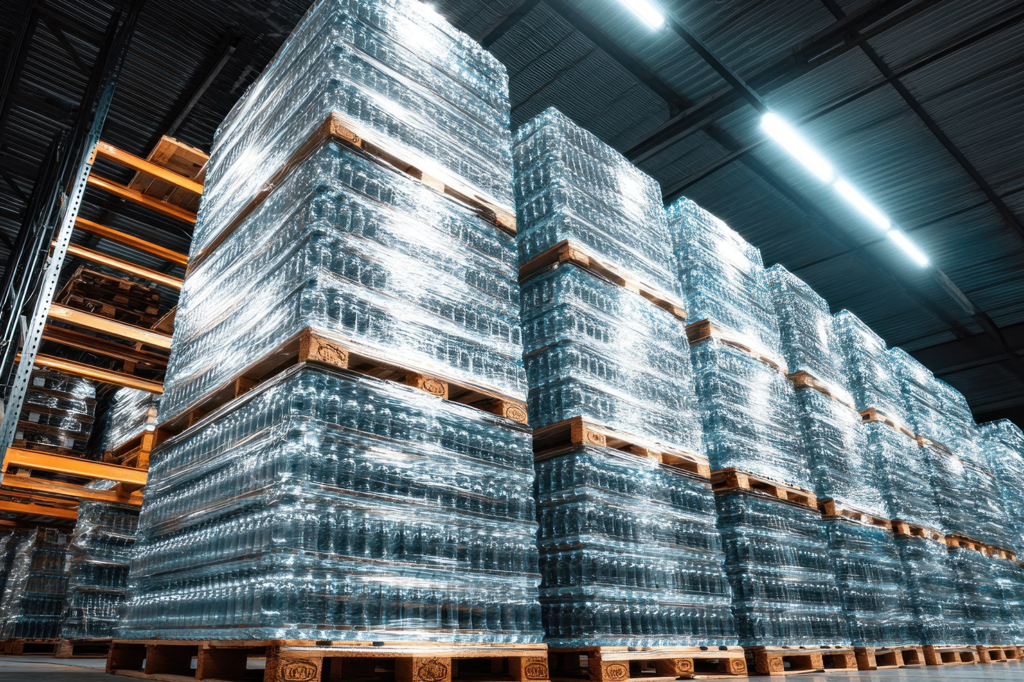
Quite a substantial amount of UK glass packaging is manufactured in Continental Europe. Since the end of the Brexit transition period in January 2021, importing that glass has become more complex, more expensive, and less predictable than it was.
What Makes a Good Chutney Jar? A Technical Specification Guide for UK Producers
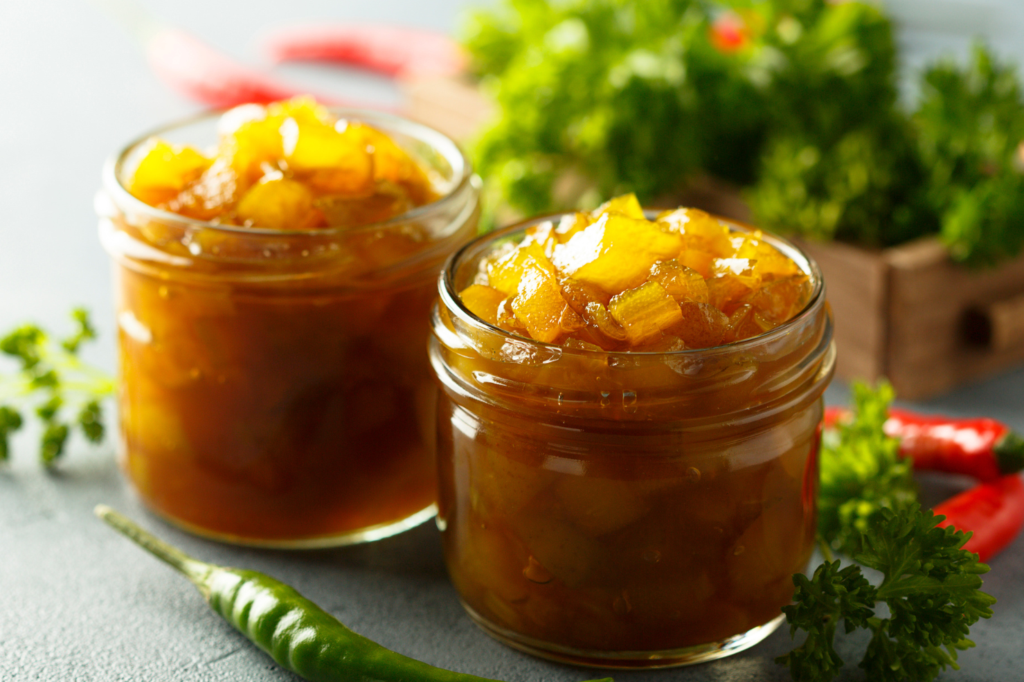
A good chutney jar must meet five technical requirements: a food packaging grade glass specification with a minimum thermal shock resistance of 60°C, validated to BS EN ISO 7459:2004; a hot-fill suitability rating for filling at 85°C or above; a twist-off neck finish in 58mm, 63mm, or 70mm diameter matched precisely to a plastisol-lined closure; a capacity specified by fill weight rather than volume, given that chutney has a specific gravity of 1.1 to 1.3; and a Declaration of Compliance from the supplier confirming food contact suitability under UK-retained Regulation 1935/2004.
Glass Packaging Procurement Planning UK 2026: When to Order and Why Q1 Timing Matters
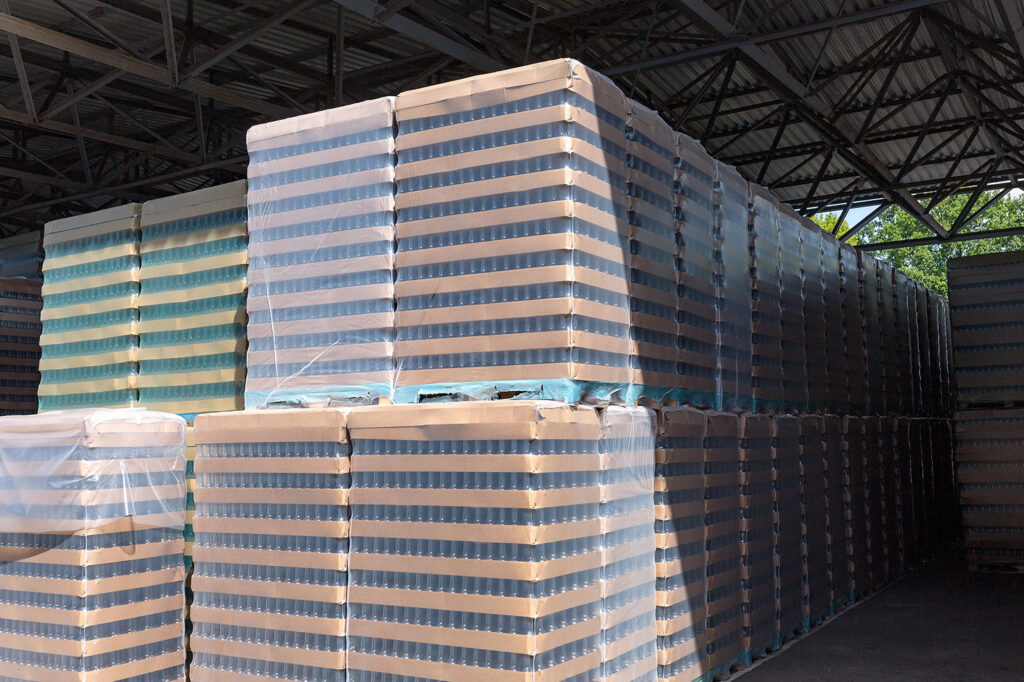
Plan glass packaging procurement in Q1 2026 to secure better pricing, guaranteed capacity and shorter lead times. Practical guide for UK food and drink producers.
The Circular Economy in Practice: How Refill & Reuse Models Are Reshaping UK Retail
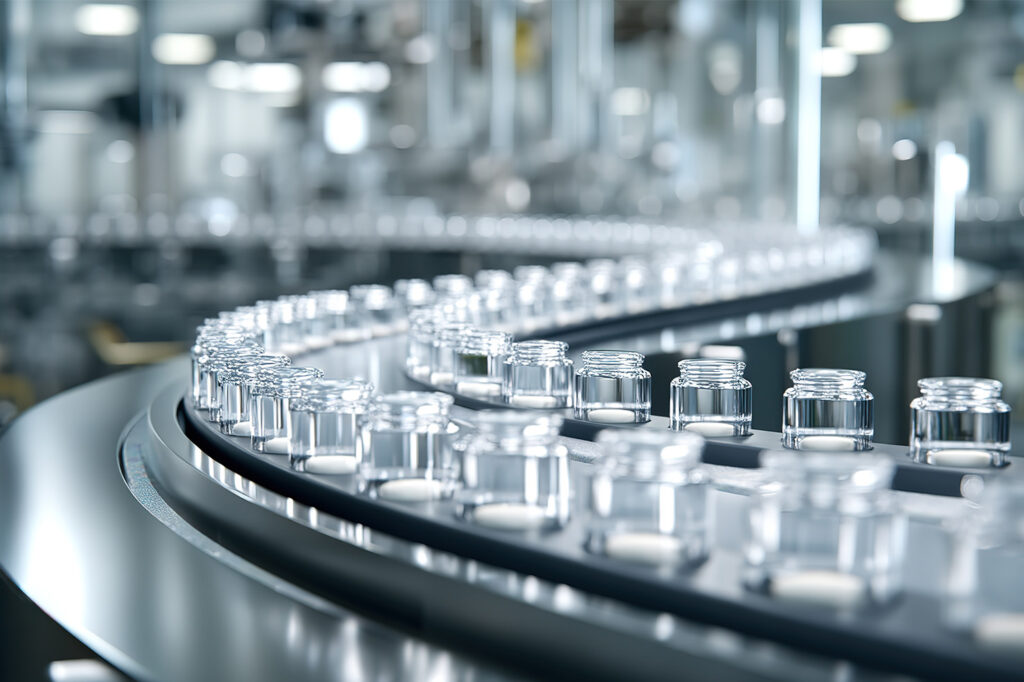
UK glass packaging procurement isn’t what it was two years ago. Red Sea rerouting, increasing energy costs and post-Brexit border friction have turned reliable supply chains into operational liabilities.
A Practical Guide to the Plastic-to-Glass Transition for UK Food & Beverage Producers

The case for moving away from plastic packaging has never been stronger. Consumer demand for sustainable alternatives continues to grow, and UK legislation increasingly penalises plastic through escalating taxes and extended producer responsibility schemes. For many food and beverage producers, glass is the logical next step.
Managing EPR Costs for Glass Packaging: Practical Solutions for UK Food Producers
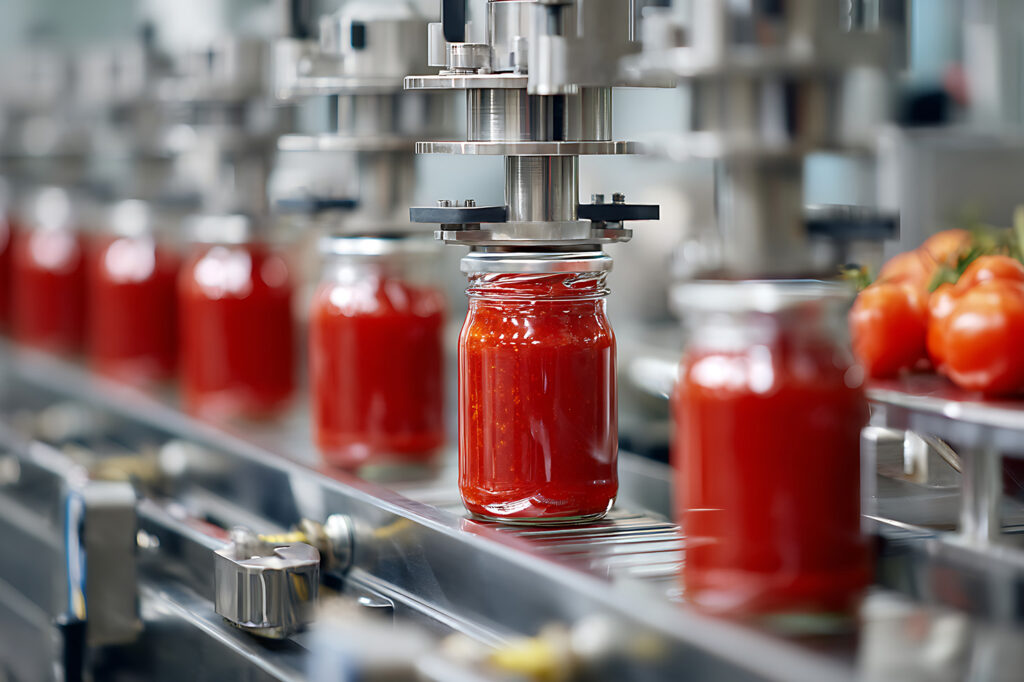
The Extended Producer Responsibility (EPR), which will affect larger organisations handling packaging from October 1, 2025, based on the type and recyclability of the materials, represents the most significant cost change facing food producers who use glass packaging.
A Resilient Glass Packaging Plan for UK Food Manufacturers in a Volatile Market
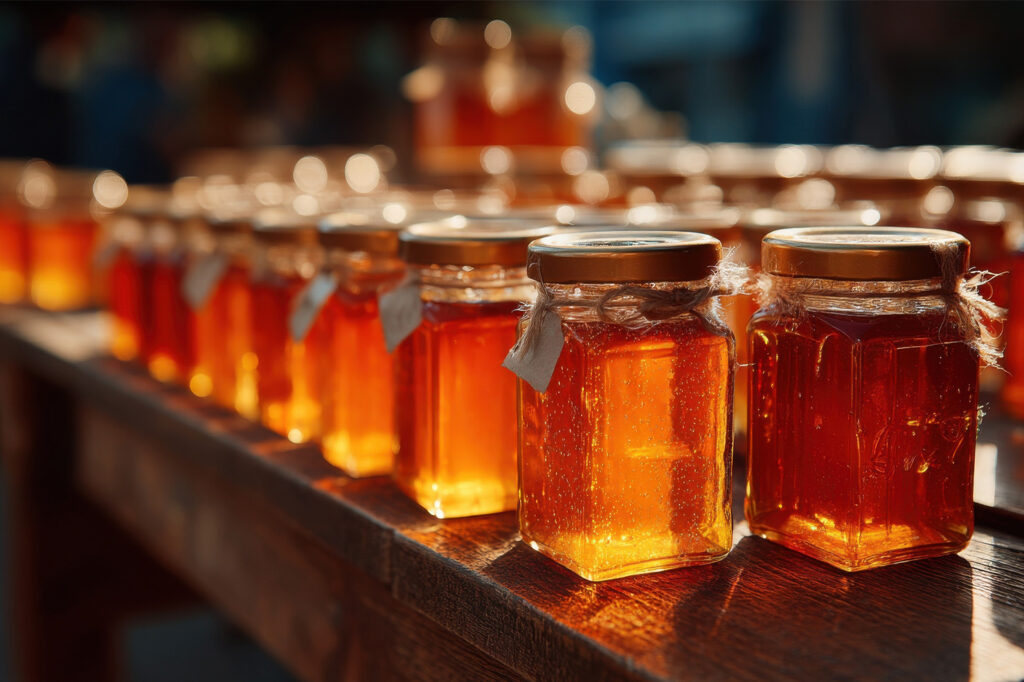
UK glass packaging procurement isn’t what it was two years ago. Red Sea rerouting, increasing energy costs and post-Brexit border friction have turned reliable supply chains into operational liabilities.
Seasonal Production Planning: Why Glass Packaging Suits UK Food Manufacturing Cycles
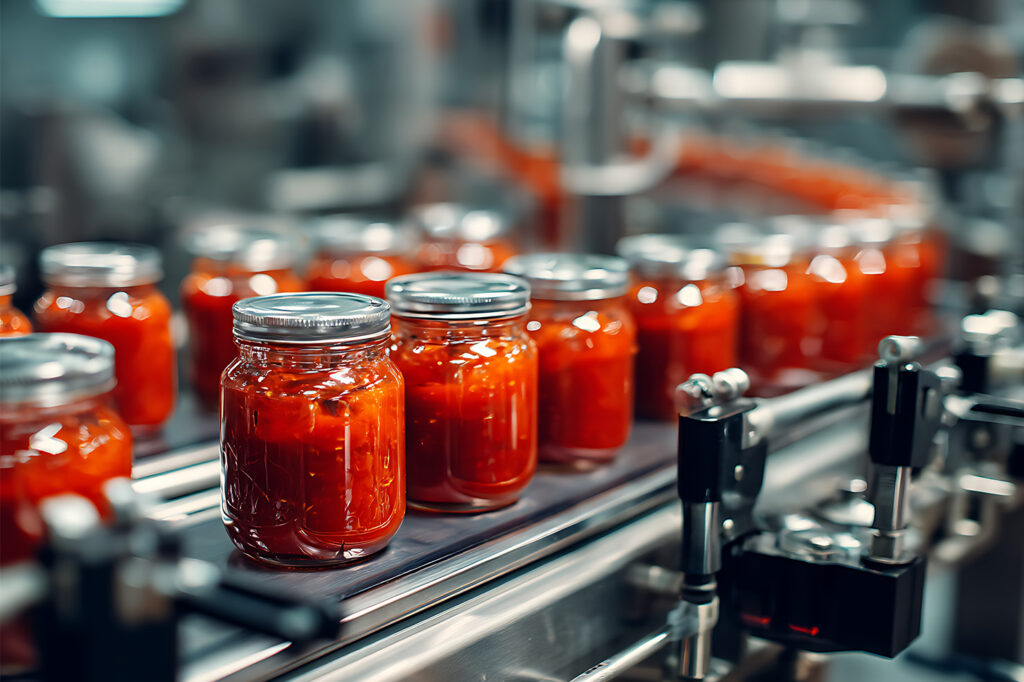
Glass packaging handles UK seasonal pressures better than alternatives. Learn how to optimise your planning for all season challenges.